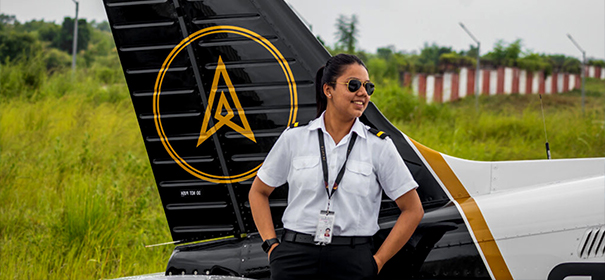

Endorsement & International License

Already licensed abroad? Skynex Aero offers seamless conversion programs to DGCA standards with minimal downtime.

Multi-Engine Endorsement & Instrument Rating

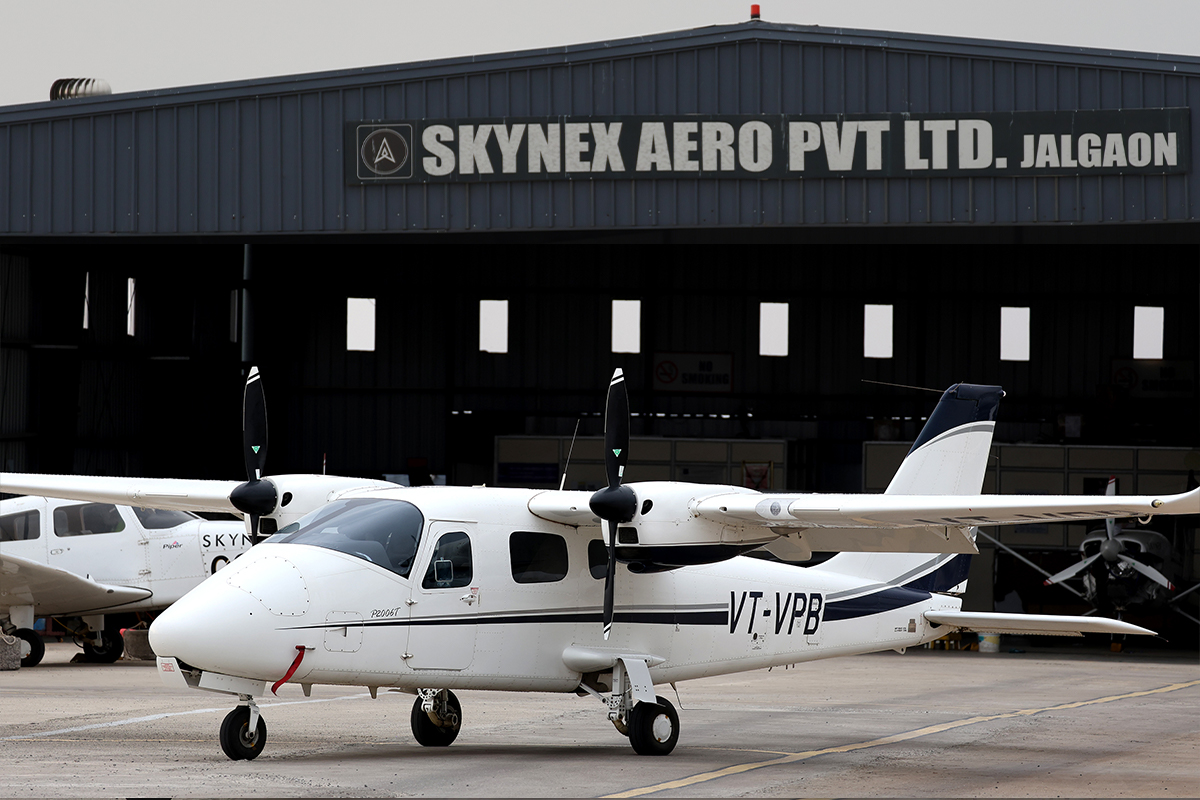
Elevate your aviation career with Skynex Aero’s advanced Multi-Engine Endorsement and Instrument Rating (MEIR) program. Designed for aspiring commercial pilots and CPL holders, this course equips you with the critical skills needed to operate complex multi-engine aircraft with confidence, precision, and safety.

Through a perfect blend of ground instruction, simulator sessions, and real-world flight training, you’ll learn how to manage twin-engine aircraft under various flight conditions, including poor visibility and instrument-only scenarios.


Program Overview

Our program is meticulously aligned with DGCA standards, ensuring you’re fully equipped to manage high-pressure situations with confidence, precision, and professionalism. Whether you're navigating through turbulent weather, conducting low-visibility landings, or responding to in-flight emergencies, the training focuses on building your decision-making, situational awareness, and technical proficiency. Through rigorous simulation and real-world flying, you’ll develop the critical skills necessary to fly safely, efficiently, and independently in diverse and challenging flight conditions.
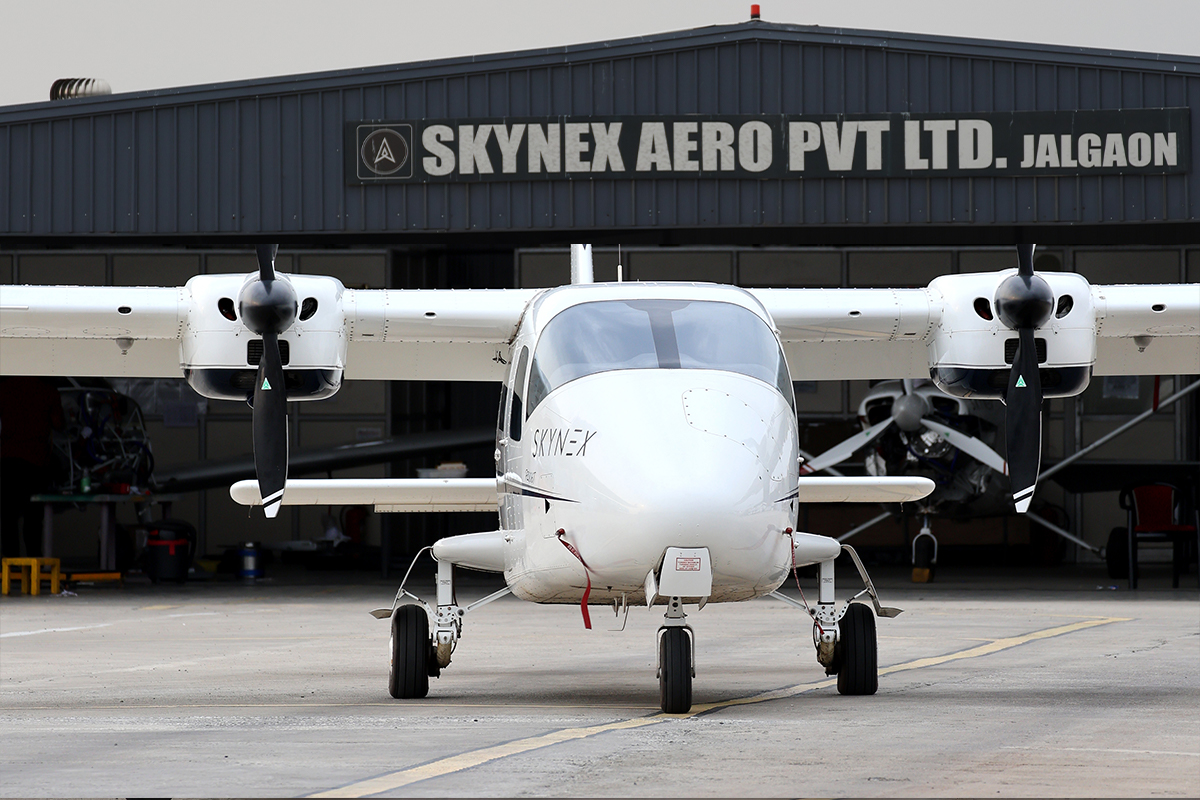
Multi Engine Endorsement

Understanding the complexities and systems unique to multi-engine aircraft.
Learning techniques for handling multiple engines, including engine-out procedures and asymmetrical thrust management.
Mastering the performance characteristics and limitations of multi-engine airplanes.
Practicing advanced flight maneuvers and emergency procedures specific to multi-engine aircraft.

Instrument Rating

Training in flying solely by reference to instruments, crucial for navigating through poor visibility and adverse weather conditions.
Utilizing sophisticated navigation systems, including GPS and VOR.
Understanding and interpreting complex weather patterns to make informed flight decisions.
Conducting precision and non-precision approaches, and executing safe landings under IFR.
Familiarizing with IFR regulations and standardized operating procedures.

Our Aviators

A Legacy of Excellence in Aviation

Frequently Asked Questions

FAQ guide for your Aviation Journey.

Embarking on your aviation journey? Whether you are a student pilot, lifelong enthusiast, or just starting out, this FAQ guide is here to provide reliable, clear answers. We've compiled essential details, from training requirements and exams to career paths and licensing, offering you simple, reliable, and easy-to-understand insights, all in a single place.

The minimum eligibility requires a candidate to be at least 18 years old (for CPL issuance) and have successfully completed 10+2 (Higher Secondary) with Physics and Mathematics as core subjects. Importantly, to commence flight training, the candidate must first obtain a Class 2 Medical Certificate from a DGCA-approved examiner. Subsequently, a Class 1 Medical Certificate is mandatory before the CPL can be issued. Students who did not have Physics and Math may qualify by passing the required subjects through the National Institute of Open Schooling (NIOS).

The typical duration for a CPL course, which includes both ground school and the mandatory 200 hours of flight time, ranges from 18 to 24 months under optimal conditions. The total cost is a significant investment, generally ranging from ₹55 lakh to ₹70 lakh for a standard CPL (including Instrument Rating and Multi-Engine endorsement) from a premium flight school. This cost can vary depending on the flight school's fleet, aircraft type, simulator usage and additional fees.

ITraining on Glass Cockpit aircraft is considered industry standard because it directly prepares pilots for the highly automated environment of modern commercial aviation. These digital displays, which replace analogue gauges, provide immediate familiarity with the advanced avionics, Flight Management Systems (FMS), and integrated information presentation used in all commercial airliners. This exposure is crucial for developing proficiency in systems monitoring, navigation input, and data interpretation, ultimately leading to enhanced situational awareness and ensuring a seamless, low-friction transition for our graduates as they enter the sophisticated cockpits of major airlines.

The English Language Proficiency (ELP) test, mandated by the DGCA in line with ICAO (International Civil Aviation Organization) standards, is a crucial requirement. It assesses a pilot's ability to communicate clearly and effectively in English which is the international language of aviation. Achieving a minimum score of Level 4 (Operational) is compulsory for all license holders to ensure safe and accurate communication with Air Traffic Control (ATC) and other crew members, especially in non-routine or emergency situations.

The DGCA Class 1 Medical Certificate is the most crucial health requirement for commercial pilots. It is mandatory before a candidate can commence practical flying training for the CPL. This is a comprehensive evaluation of physical and mental fitness, including stringent checks on vision, hearing, cardiovascular health, and psychological well-being. It ensures that the aspiring pilot meets the strict safety standards required to command an aircraft and must be kept current (renewed periodically) throughout a pilot's career.

Contact Us

We're Just a Click Away

Embark on a transformative journey in aviation with Skynex Aero and experience a supportive environment that turns your passion for flying into a successful career.

  • Dedicated Support Team
  • Fast and Reliable Assistance
  • Multiple Ways to Reach Us
×

📞 Get in Touch

Choose a number and connect instantly